Get Japanese Knotweed Removal in Greenwich, CT
Local contractors in Greenwich, CT, can handle Japanese Knotweed removal to prevent property damage, clear overgrown areas, and restore safety for homeowners.
Property owners in Greenwich, CT facing the challenge of Japanese Knotweed often seek effective removal solutions to protect their landscapes and property value. This invasive plant can cause significant damage to foundations, pathways, and nearby structures if left unchecked. Exploring professional removal options ensures that the job is handled safely and thoroughly, helping to prevent future issues and maintain the integrity of the property.
For those planning landscaping projects or looking to restore a yard affected by Japanese Knotweed, comparing local service providers can be a practical step. Many experienced contractors in the Greenwich area offer specialized removal services, allowing property owners to find the right fit for their specific needs. Continuing to read can provide helpful insights into how local experts handle this invasive plant and what to consider when choosing a removal partner.
- Residential Property Cleanup - homeowners in neighborhoods like Riverside or Old Greenwich may need this work to remove invasive Japanese Knotweed from yards.
- Commercial Land Clearing - businesses in commercial districts might require knotweed removal to maintain property value and prevent spread.
- Land Development Projects - developers working on new construction sites in Stamford or nearby areas often need knotweed eradication before building.
- Garden and Landscape Restoration - property owners seeking to restore gardens or landscaped areas impacted by Japanese Knotweed can find local contractors to assist.
- Property Line and Boundary Clearing - individuals wanting to clear knotweed from property borders or fencing lines in neighborhoods like Cos Cob or Byram may need expert removal services.
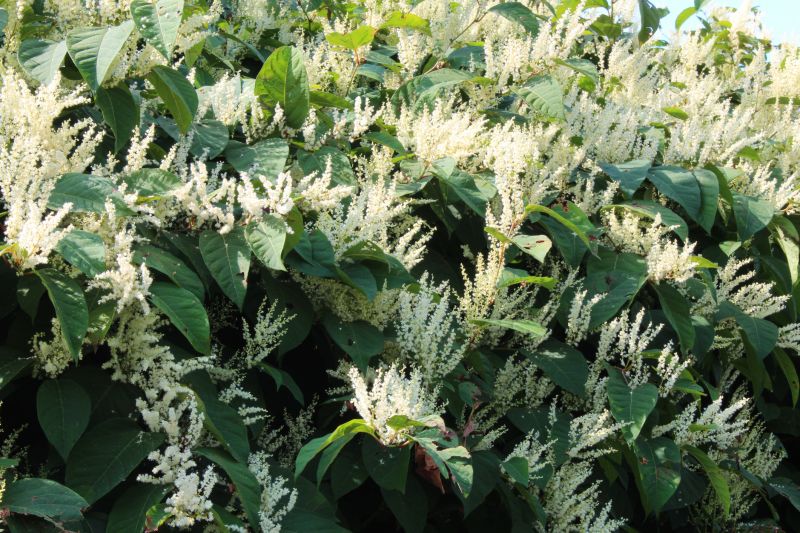
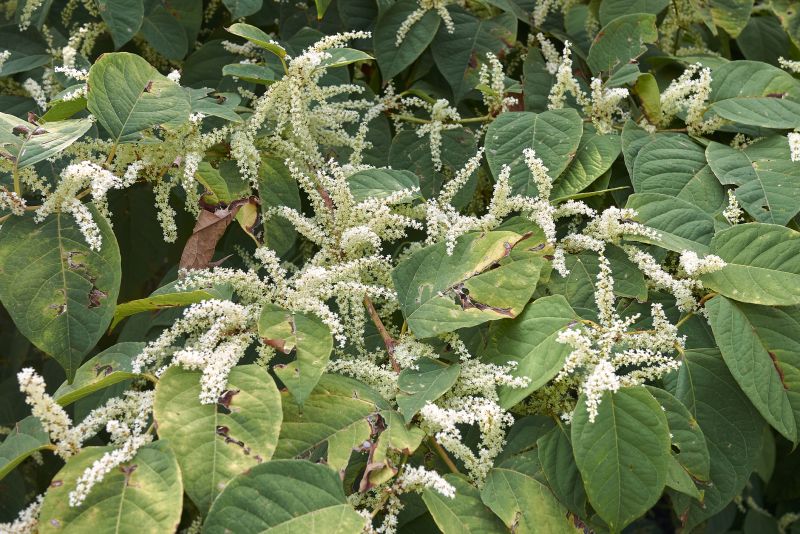
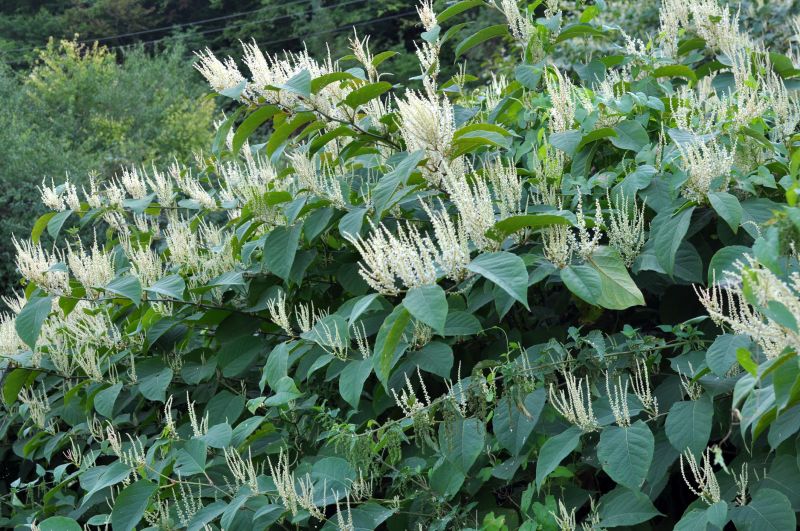
Japanese Knotweed removal services involve specialized techniques to identify, treat, and eradicate this invasive plant from residential or commercial properties. The process typically begins with a thorough assessment to determine the extent of the infestation and to develop an effective removal plan. Contractors may use methods such as targeted herbicide application, excavation, or a combination of both to ensure that the knotweed is fully eliminated. Proper removal is essential to prevent the plant from spreading further and causing damage to the landscape or structures.
This service helps address a variety of problems associated with Japanese Knotweed. Its rapid growth and resilient root system can cause significant damage to building foundations, walls, fences, and underground utilities. The plant's ability to penetrate concrete and asphalt can lead to costly repairs if left unchecked. Additionally, Japanese Knotweed can negatively impact property values and complicate real estate transactions due to its invasive nature. Removing the plant can restore the safety and integrity of a property, while also preventing future issues related to its aggressive growth.
Japanese Knotweed removal is often sought by homeowners who notice the plant encroaching on their gardens or near their homes. It is also commonly used by property developers, landlords, and commercial property owners who need to comply with local regulations or protect their investments. Properties that have experienced previous landscaping issues or are located in areas prone to invasive species are more likely to require professional removal services. In general, any property facing the threat of knotweed spreading or causing structural damage may benefit from expert removal.
Local contractors offering Japanese Knotweed removal services are equipped to handle properties of various sizes and types. This includes single-family homes, multi-unit residential buildings, retail spaces, and office complexes. Whether the infestation is small or extensive, trained service providers can tailor their approach to suit the specific needs of each property. Contacting experienced professionals ensures that the removal process is thorough, reducing the risk of regrowth and helping property owners maintain a safe, stable environment.
The overview below groups typical Japanese Knotweed Removal projects into broad ranges so you can see how smaller, mid-sized, and larger jobs often compare in Greenwich, CT.
In many markets, a large share of routine jobs stays in the lower and middle ranges, while only a smaller percentage of projects moves into the highest bands when the work is more complex or site conditions are harder than average.
Smaller Removal Jobs - typical costs for removing small patches of Japanese Knotweed generally range from $250-$600. Many routine projects fall within this middle range, covering localized infestations on residential properties.
Moderate Projects - larger areas or more established infestations can cost between $1,000-$3,000. These projects often involve more extensive treatment and may require multiple visits by local contractors.
Extensive or Complex Jobs - comprehensive removal of large infestations or those in hard-to-access locations can reach $3,500-$5,000 or more. Fewer projects push into this high tier, typically involving significant site preparation or remediation.
Full Site Replacement - in cases where knotweed has deeply infiltrated the landscape, complete site replacement may be necessary, with costs often exceeding $5,000. Local service providers can assess the scope and provide tailored estimates based on the property's needs.
Actual totals will depend on details like access to the work area, the scope of the project, and the materials selected, so use these as general starting points rather than exact figures.
Invasive Plant Removal - local contractors experienced in removing invasive plant species often have skills similar to those needed for Japanese Knotweed eradication, including targeted removal and site clearance.
Stump Grinding and Root Removal - professionals who specialize in stump grinding and root removal are familiar with underground root systems, which is essential for controlling Japanese Knotweed growth.
Land Clearing and Site Preparation - land clearing experts are adept at preparing sites by removing unwanted vegetation and debris, a process comparable to Japanese Knotweed removal projects.
Erosion Control and Soil Stabilization - service providers skilled in erosion control often work with invasive root systems and soil disturbance, aligning with the planning needed for Japanese Knotweed management.
Garden and Landscape Restoration - landscape restoration specialists have experience in rehabilitating areas affected by invasive plants, ensuring proper removal and replanting strategies.
Excavation and Demolition - excavation contractors familiar with underground work can handle the removal of invasive root systems like Japanese Knotweed, ensuring thorough site clearance.

When evaluating service providers for Japanese Knotweed removal, it’s important to consider their experience with similar projects in the Greenwich area. A contractor’s familiarity with local conditions and specific challenges can influence the effectiveness and appropriateness of their approach. Homeowners should inquire about the types of properties and landscapes they have worked on, ensuring the contractor has relevant experience that aligns with the scope of the project. This background can provide confidence that the chosen professional understands the nuances involved in managing Japanese Knotweed effectively.
Clear, written expectations are essential for a smooth and transparent process. Homeowners should seek service providers who can articulate their approach, the steps involved, and what the homeowner can expect throughout the project. Having this information in writing helps prevent misunderstandings and ensures everyone is aligned on the scope of work. It’s also beneficial to ask for references or examples of past projects, as reputable contractors can often provide contacts or case studies that demonstrate their capabilities and reliability.
Effective communication is a key factor when selecting a local contractor for Japanese Knotweed removal. A professional who responds promptly, answers questions thoroughly, and provides detailed information demonstrates a commitment to transparency and customer service. Good communication helps homeowners feel confident in their choice and ensures that any concerns or clarifications can be addressed quickly. Remember, this site introduces homeowners to local options for the work; it does not perform the services itself. Comparing these aspects-experience, clear expectations, references, and communication-can help homeowners find a reputable contractor well-suited to handle their Japanese Knotweed removal needs.
Property owners in Greenwich, CT use Japanese Knotweed Removal services for practical projects around their homes and businesses. This guide focuses on everyday jobs and straightforward project options.
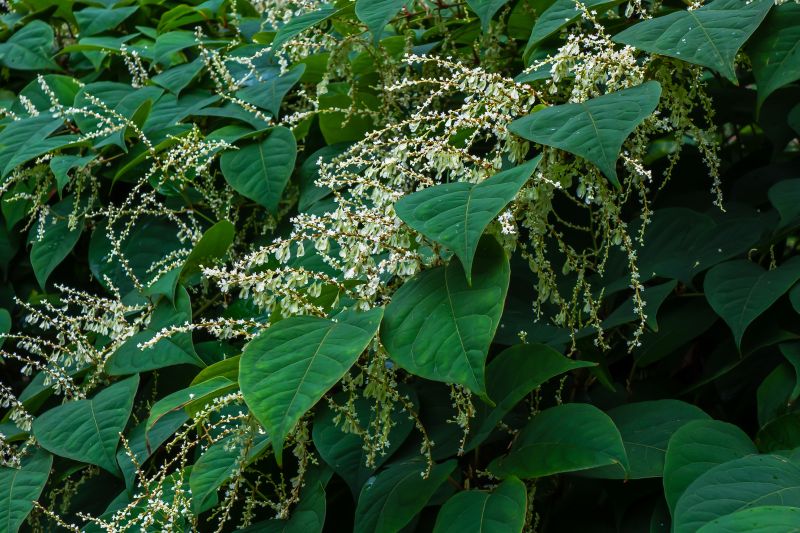

Property owners in Greenwich, CT may seek Japanese Knotweed removal services when invasive plants begin to spread across their yards, threatening the landscape and property value. This can happen when gardeners notice rapid growth along fences, driveways, or near foundations, or when they see the plant encroaching on neighboring properties. Homeowners planning to sell or improve their property might also look for professional removal to ensure their landscape remains healthy and compliant with local regulations.
In addition, local contractors are often contacted when property owners discover Japanese Knotweed growing in areas that could interfere with construction or landscaping projects. Whether preparing for renovations, installing new fencing, or working on drainage solutions, many seek expert removal to prevent root damage or future regrowth. Connecting with experienced service providers can help property owners address these common issues efficiently and effectively.
What is Japanese Knotweed and why is it a problem? Japanese Knotweed is an invasive plant that can cause damage to building foundations, pavements, and drainage systems if not properly managed.
How do local contractors remove Japanese Knotweed? They typically use methods such as herbicide treatment, excavation, or a combination of both to effectively control and remove the plant.
Is professional removal necessary for Japanese Knotweed? Yes, because improper removal can lead to spreading the plant further or causing damage to property, so experienced service providers are recommended.
Can Japanese Knotweed return after removal? It is possible if the root system is not fully eradicated; professional contractors take steps to minimize the risk of regrowth.
How can I find local experts for Japanese Knotweed removal? This site helps connect homeowners with nearby service providers who specialize in invasive plant removal and property clearance.
Property Renovation Preparation - Removing Japanese Knotweed can help prepare a property for upcoming renovations or landscaping projects, ensuring a clean start.
Land Purchase Due Diligence - Homebuyers can use this service to verify that a potential property is free from invasive plant issues before completing a purchase.
Garden and Landscape Maintenance - Property owners may seek removal services to maintain a healthy and attractive garden by eliminating invasive weeds.
Property Value Preservation - Removing Japanese Knotweed can help protect and potentially enhance the value of a property during sale or appraisal processes.
If you are thinking about Japanese Knotweed Removal for a property in Greenwich, CT, this guide is meant to help you understand the work, the typical project types, and how different options might fit your plans.
When you are ready, you can use the quote form on this page to share a few details about your project. From there, local pros can review the basics and respond with options that match what you have in mind.